Electrical safety · a plain-English guide
Know your electrics.
You don't need to be an electrician to make good decisions about your electrics — you just need someone to explain the basics without jargon or a sales pitch. Here's a plain-English guide to the things homeowners and landlords ask us about most, from an NICEIC Approved Contractor who'd rather you understood the work than felt sold to.


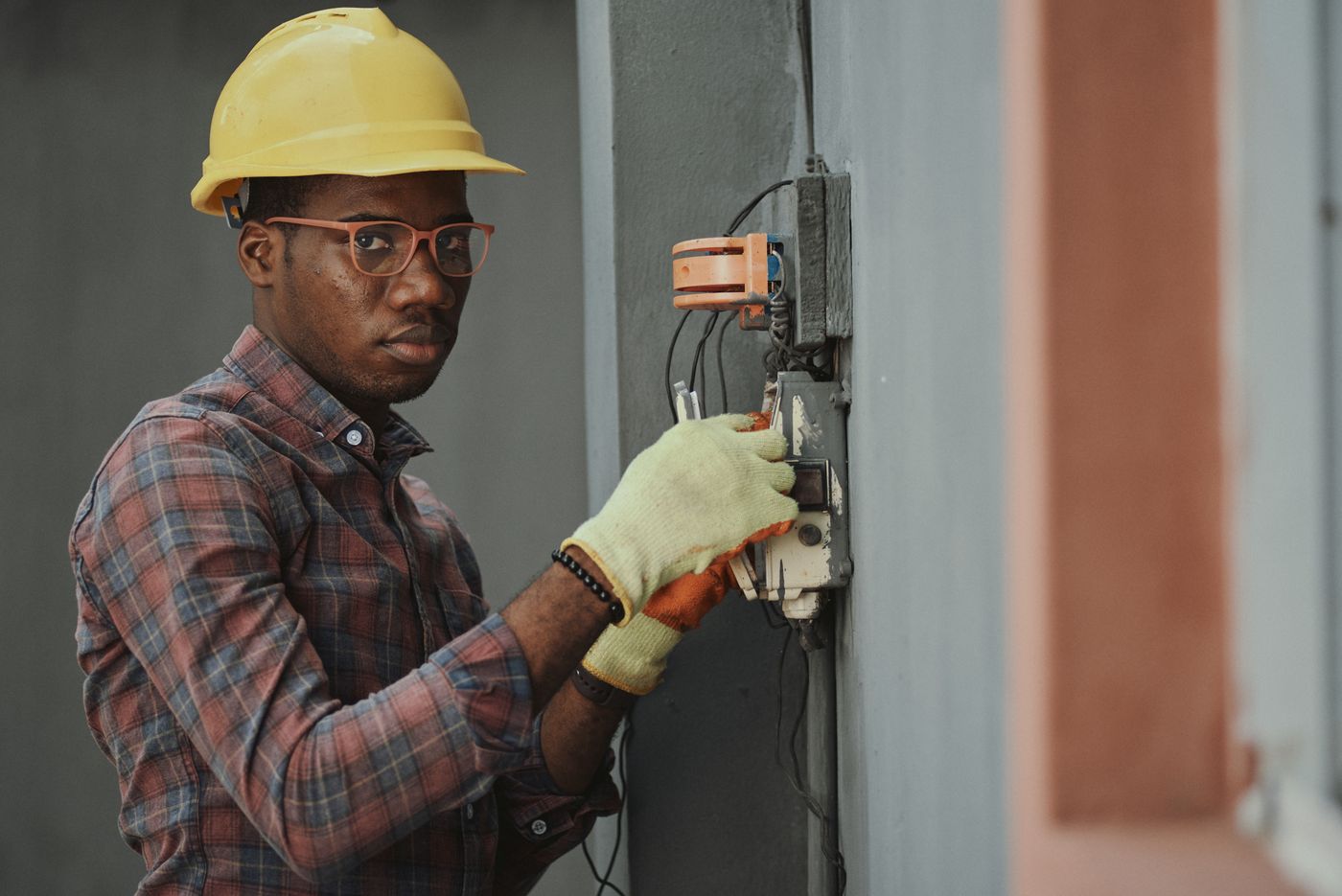
The four things people ask most.
No jargon, and no attempt to sell you work you don't need — just what each thing is and why it matters.
Your consumer unit
01The consumer unit — the 'fuse box' — is where your electricity is distributed and protected. Modern units use RCDs and RCBOs that cut power in a fraction of a second if there's a fault or a shock risk. Older boards with rewireable fuses or a single RCD don't offer the same protection. Upgrading is one of the most worthwhile safety improvements a property can have, and it's notifiable work we self-certify to Part P.
- RCD / RCBO protection
- Notifiable — Part P
- Self-certified by us
What an EICR checks
02An Electrical Installation Condition Report is a health-check of your fixed wiring against BS 7671. Findings are coded: C1 means danger present, C2 means potentially dangerous, C3 is an improvement recommendation, and FI means further investigation needed. A satisfactory report needs no C1 or C2 codes. Landlords are legally required to hold one and renew it every five years; homeowners often get one when buying, selling or renovating.
- C1 · C2 · C3 codes
- Renew every 5 yrs (landlords)
- Plain-English report
Interlinked smoke & heat alarms
03Interlinked alarms all sound together the moment any one of them detects smoke or heat — so you're warned wherever you are in the property, not just in the room where a fire starts. Mains-powered, interlinked smoke and heat alarms are now the expected standard for homes and are a legal requirement for rented properties. We position, wire and test them so the whole system works as one.
- Mains-powered & interlinked
- Smoke + heat detectors
- Tested on handover
Signs a property needs a rewire
04Old rubber, lead or fabric-sheathed cabling, a fuse box with rewireable fuses, sockets that are scarce or scorched, frequent tripping, or a property that hasn't been touched in 30+ years are all signs the wiring may be at the end of its life. A rewire isn't always needed — sometimes targeted remedial work will do — which is exactly why an honest EICR comes first, before anyone quotes you for a full rewire.
- Old rubber/lead cabling
- Frequent tripping
- EICR first, quote second
How we work.
01
We test before we quote
For anything condition-related, we inspect and report first. That way a quote for remedial work or a rewire is based on what your installation actually needs — not a guess and not a scare.
02
No jargon, no upselling
We explain findings in plain English and only recommend work that genuinely improves safety or compliance. 'Cost effective' and 'no time wasting' are lines that come straight from our reviews.
03
Certified to BS 7671
Everything we install is designed and tested to BS 7671, the national wiring standard, and — where notifiable — self-certified to Part P through our NICEIC Approved Contractor registration.
04
You keep the paperwork
Where a job is notifiable or needs certification you receive the certificate on completion — an EICR, an installation certificate or a minor works certificate — to hand to a buyer, insurer or letting agent whenever you need it.